Why Sabatier still matters
A quick primer (without the mythology)
“Sabatier” isn’t one single company; historically it’s a family name used by multiple houses around Thiers, France, the traditional centre of French knife making. Styles vary, but several themes define the classics:
- Thin, slicey geometry: a relatively slender blade that glides rather than wedges.
- Balanced, neutral feel: a handle that disappears in the hand; the blade does the talking.
- Carbon steel heritage: takes a very fine edge and builds a handsome patina; later models appear in stainless too.
- Nogent construction (on some older pieces): a rat-tail tang and light ferrule that keeps weight low and agility high.
These traits are precisely why older Sabatiers still earn space on modern racks—especially if you value speed, feedback and finesse at the board.
Carbon steel in a stainless world
Modern kitchens lean stainless for convenience, but classic carbon Sabatier blades deserve a defence.Carbon steel:
- Sharpens quickly to a biting, refined edge.
- Gives tactile feedback on the board, encouraging lighter, more controlled technique.
- Develops a protective patina that helps with corrosion resistance and looks beautiful.
The trade-off is simple: wipe the blade during prep, avoid long soaks, and dry after washing. A drop of food-safe oil before a weekend away keeps rust at bay. If that sounds like a faff, remember the time saved at the stone; a few gentle passes and the edge is back.
Profiles and jobs they love
Classic French profiles tend to be flatter towards the heel with a gentle rise to the tip—great for push-cuts, slices and precise tip work. They shine at:
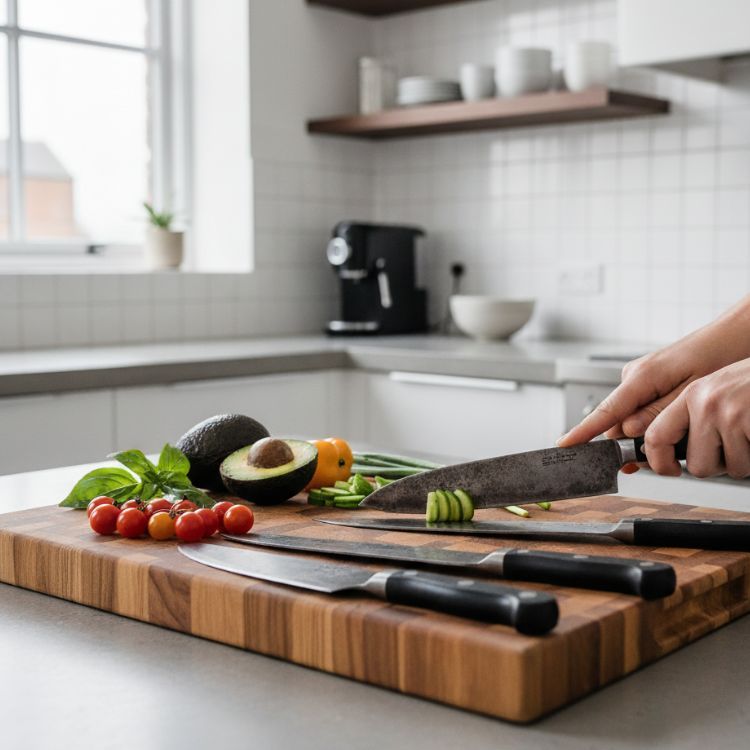
- Vegetable prep: thin geometry breezes through onions, shallots, herbs.
- Protein trimming: the nimble tip navigates sinew and silver skin.
- Everyday utility: that neutral balance makes long sessions less fatiguing.
If you’re used to a tall, curvy German knife built for heavy rocking, the Sabatier rhythm is different: quieter, more linear, and exceptionally efficient once you dial it in.
Restoring a classic: what’s worth doing
Many vintage pieces arrive with stories—worn heels, shallow chips, rounded tips, even a proud bolster that stops the edge touching the board. With the right work, you can reclaim years of service:
- Profile reset: remove low spots and restore a clean, continuous curve.
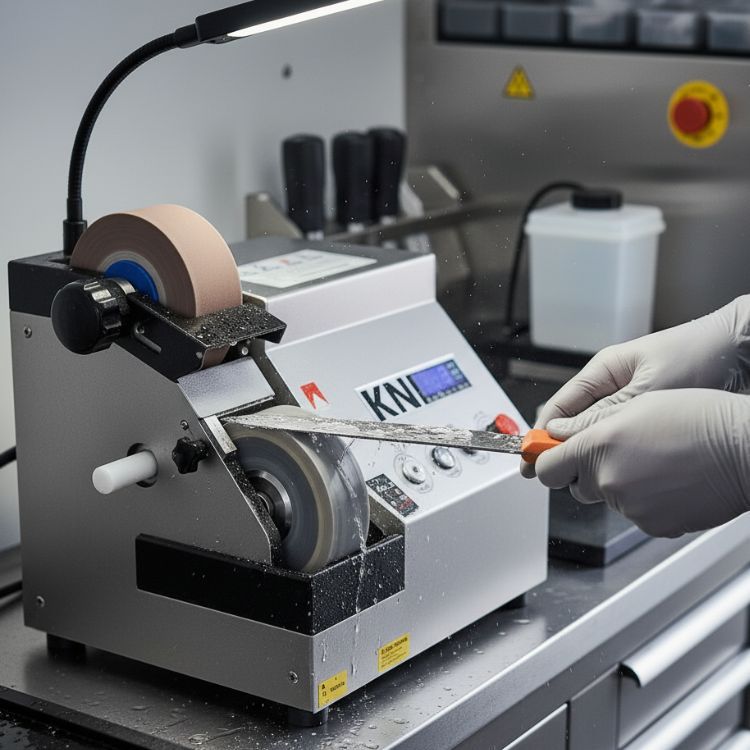
- Thinning behind the edge: as sharpenings creep up the blade, the edge gets thicker; thinning revives glide and prevents wedging.
- Tip repair: re-shape a bent or snapped tip seamlessly into the profile.
Done sympathetically, restoration keeps the blade’s character—the patina, the stamps, the lightness—while returning true performance.
Modern care for vintage steel
Bringing an old Sabatier into a 2026 kitchen is simple with a few habits:
- Boards: end-grain or soft rubber keeps edges alive; avoid glass, stone and very hard plastics.
- Honing: gentle, correct-angle strokes on a fine ceramic rod help between full sharpenings.
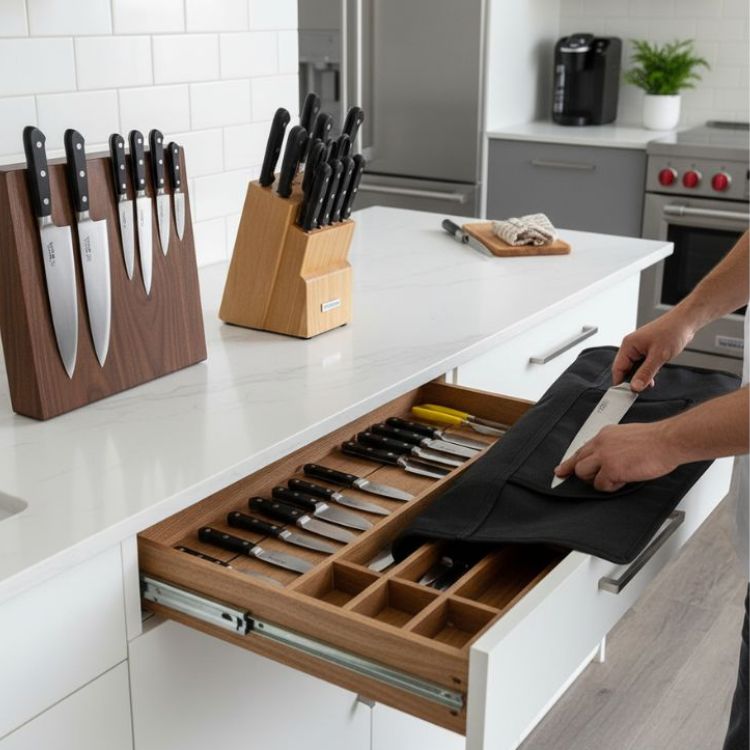
- Storage: a wood-faced magnetic rack or in-drawer organiser prevents edge-to-edge contact; avoid loose drawers.
- Cleaning: hand-wash, wipe, dry; a touch of oil if resting for days.
- Tasks: save bones and frozen food for heavier tools; let the Sabatier do finesse.
When an heirloom beats a new buy
Modern steels can hold an edge longer, and tall blades can be confidence-inspiring—but a tuned classic often feels faster in real prep. If you value precision over brute force and like blades that disappear in the hand, an old Sabatier—properly thinned and sharpened—still beats many contemporary workhorses. It’s the cooking equivalent of a well-set violin: not the loudest, but the one that makes you play better.
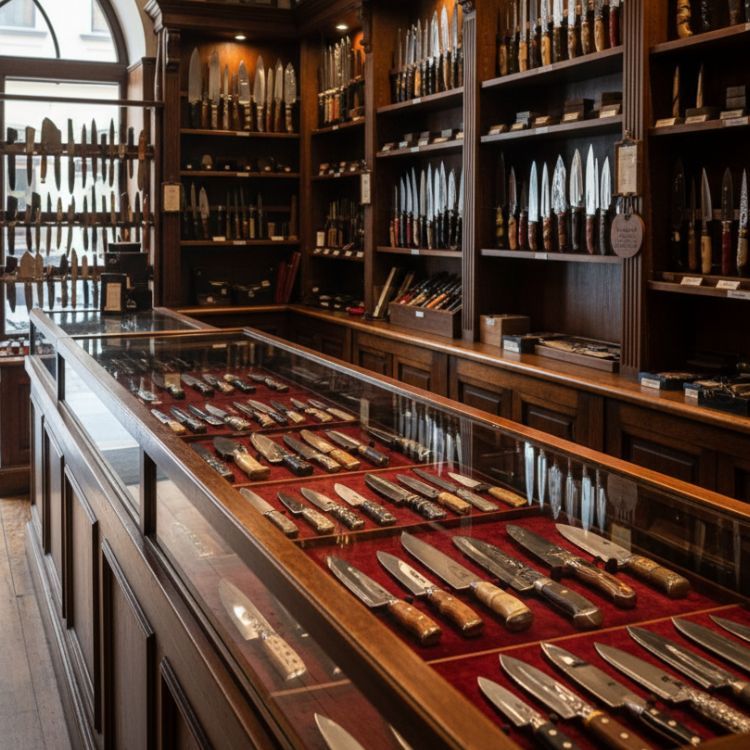
What to look for when hunting one down
If you’re sifting through markets or a family drawer:
- Straight spine and intact tip—repairs are possible, but straight bones save time.
- Sensible blade height left—enough knuckle clearance for safe work.
- Tight handle and ferrule—minor movement can be fixed; major cracks may need a re-haft.
- Minimal deep pitting near the edge—surface patina is fine; craters at the apex are not.
- Stamped marks—nice to keep, but performance matters more than cosmetics.
If in doubt, bring it to a professional for a quick assessment before you invest hours at the stone.
A different kind of conclusion
Classic Sabatiers aren’t museum pieces; they’re living tools. Give them honest geometry, kind boards and light hands, and they repay you with speed, accuracy and that particular hush as the edge whispers through an onion. In a world of specs and super steels, they remind us what matters at the board: control, consistency, and joy in the cut.
A different kind of conclusion
- Free edge health check with any service visit: we’ll assess thickness behind the edge, profile drift and heel clearance, then advise next steps—no jargon.
- Sympathetic restoration for vintage blades: thinning, bolster work, tip repair and hand finishes that respect the knife’s character.
Ready when you are—book a visit. Prefer to read what London cooks say first? see customer reviews.